Whale watching & Lagoa do Fogo Volcano [Oct-Jun]
📍 São Miguel Island, Azores

4.8 ( 2,901 reviews)

See them in the wild
![Whale watching & Lagoa do Fogo Volcano [Oct-Jun]](/_next/image?url=https%3A%2F%2Fkodama-listing-image.s3.eu-west-2.amazonaws.com%2FAzore%2Bwhale%2Bwatching%2Flagoa%2Bdo%2Bfago%2F1.jpg&w=3840&q=75)
![Whale watching & Lagoa do Fogo Volcano [Oct-Jun]](/_next/image?url=https%3A%2F%2Fkodama-listing-image.s3.eu-west-2.amazonaws.com%2FAzore%2Bwhale%2Bwatching%2Flagoa%2Bdo%2Bfago%2F2.jpg&w=3840&q=75)
![Whale watching & Lagoa do Fogo Volcano [Oct-Jun]](/_next/image?url=https%3A%2F%2Fkodama-listing-image.s3.eu-west-2.amazonaws.com%2FAzore%2Bwhale%2Bwatching%2Flagoa%2Bdo%2Bfago%2F3.jpg&w=3840&q=75)
![Whale watching & Lagoa do Fogo Volcano [Oct-Jun]](/_next/image?url=https%3A%2F%2Fkodama-listing-image.s3.eu-west-2.amazonaws.com%2FAzore%2Bwhale%2Bwatching%2Flagoa%2Bdo%2Bfago%2F4.jpg&w=3840&q=75)
![Whale watching & Lagoa do Fogo Volcano [Oct-Jun]](/_next/image?url=https%3A%2F%2Fkodama-listing-image.s3.eu-west-2.amazonaws.com%2FAzore%2Bwhale%2Bwatching%2Flagoa%2Bdo%2Bfago%2F5.jpg&w=3840&q=75)
![Whale watching & Lagoa do Fogo Volcano [Oct-Jun]](/_next/image?url=https%3A%2F%2Fkodama-listing-image.s3.eu-west-2.amazonaws.com%2FAzore%2Bwhale%2Bwatching%2Flagoa%2Bdo%2Bfago%2F6.jpg&w=3840&q=75)
From
DurationFull-day
FitnessModerate
CancellationFree cancellation 24h before start time
🔒Secure payment
⏰<2h response
Overview
wildlife highlights
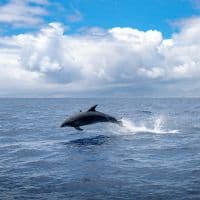
Dolphin
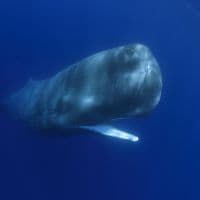
Sperm Whale
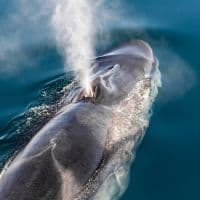
Fin Whale
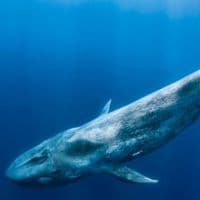
Blue Whale
Why you'll love it
🔹 A conservation success
Commercial whaling in the 20th century killed around 2.9 million whales, with some populations, such as humpback whales, lost 90% of their global population. In 1986, commercial whaling was banned, and species were able to recover (although three countries continue to hunt whales - Japan, Norway and Iceland).
🔹 Support local communities
Whale watching is a major source of income for some communities, especially those around no-take Marine Protected Areas, where fishing and other commercial activities are banned. There are strict guidelines for responsible whale watching, which largely involve speed limits, never chasing the pod, never separating mother and calf, and not getting too close.
🔹 See them in their natural habitat
Seeing them in the vast ocean is an experience one’ll never forget. We believe responsible whale watching is a great way to educate the public about these majestic giants and to support their conservation.
What you will be doing
Wildlife tour
The day starts with a short briefing on Cetaceans (Whales and Dolphins), local species, behavioral patterns, and onboard safety. Everyone will then follow the Guide and Skipper to their designated boat for an approximately 3-hour Marine Wildlife tour
11:30 Lunch
Return to the Marina for a local food lunch at a seafront village restaurant - at walking distance from our base
13:15 Meet back at the Marina & afternoon tour
We'll go on a van tour up the Volcano crater and protected Natural Reserve of Lagoa do Fogo, stopping at Pico da Barrosa, Lagoa do Fogo, and Bela Vista viewpoints - for photos, and some of São Miguel's best island views over the beautiful turquoise lake of fire's 15 thousand year-old crater, its endemic flora, dramatic surroundings, and the Atlantic
15:00 Caldeira Velha's environmental centre & thermal bath
At 15:00 you will then head down the mountain northbound, passing by Caldeira Velha's environmental centre for educational information on the volcanic origin of the islands, biodiversity, geodiversity, and geothermal resources. Optionally you have the opportunity for a thermal bath in Caldeira Velha's hot springs, or alternatively further ahead on the refreshing cold waterfall of Salto do Cabrito, surrounded by untouched beautiful lush green flora. With any time left, further down the mountain you can visit Ribeira Grande's historical centre and 16th century fountain of Largo de São Pedro, ending at northern Santa Barbara Beach
17:15 Return
Time to head back to the Marina for check-out
Things to know
AccessibilityChildren friendly
Fitness levelModerate
Tour languageEnglish
Licence requiredNone
- Eat light, and bring your personal water supply, sunscreen and chap-stick for the sun, and warm clothing since temperatures may vary. Light food is permitted onboard, a camera is essential (pref. with zoom), binoculars are recommended - protect any personal equipment
- Minimum age is 4
- NOT FOR anyone with weak back or in delicate health condition.
Inclusions and Exclusions
✅ Included
- Lunch
- Refreshments
- Air-conditioned vehicle
- Entrance ticket
- Marine biologist
❌ Not included
- Water
- Pick up and drop off transport
Where we'll meet
Meet up/Pick up location: São Miguel - Azores Islands, 9680-187 Vila Franca Do Campo, Portugal
Instruction: You will meet us at the Marina of Vila Franca do Campo for check-in at the specified time.
ReturnThis trip returns to meeting point.